CBCR Tool Pilot Testing in Cebu Province ended March with a Mark
Apr 8, 2025
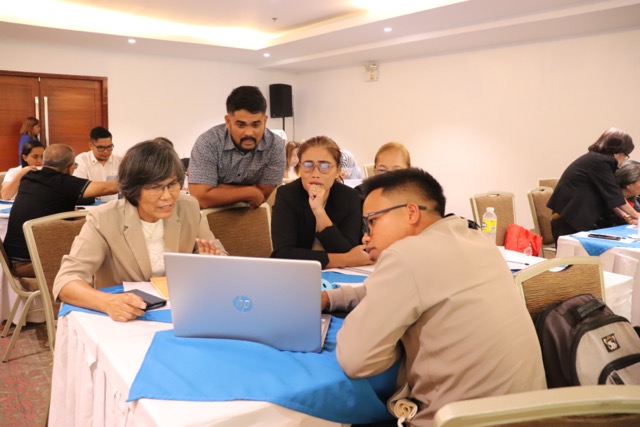
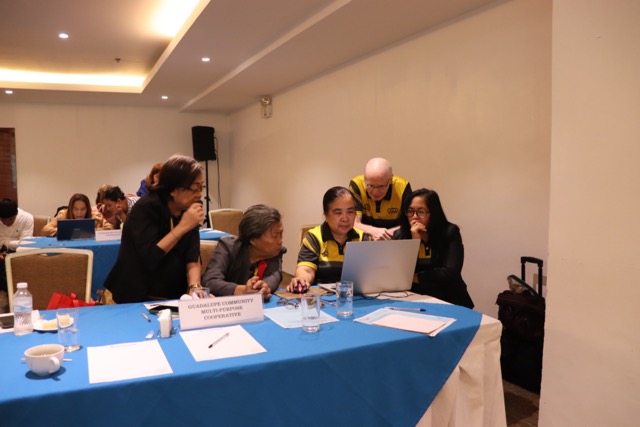
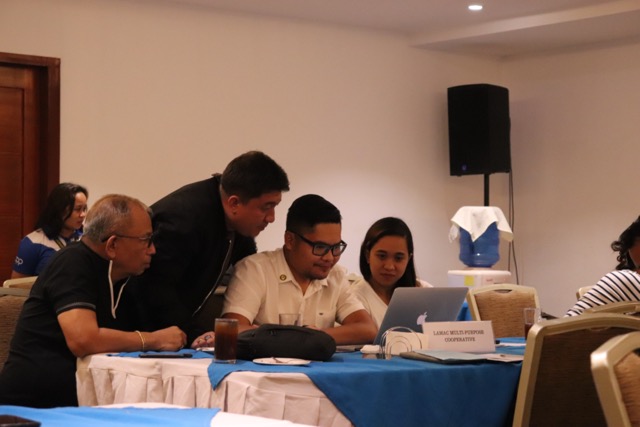
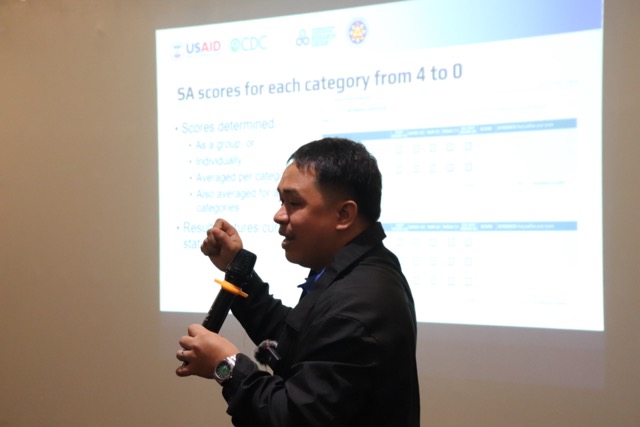
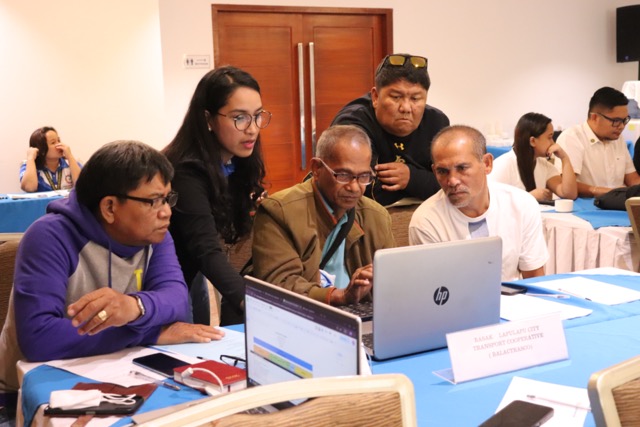
The Cooperative Development Authority (CDA) Region VII Extension Office gears towards the full implementation of developing the cooperatives’ business continuity and resiliency plans through the conduct of pilot testing for the Cooperative Business Continuity and Resiliency (CBCR) Assessment Tool on March 26-27, 2025 at the Golden Peak Hotel and Suites, Cebu City.
In the implementation of Section 4 (k) of Republic Act (RA) No. 11364 otherwise known as the “Cooperative Development Authority Charter of 2019”, CDA Region VII ensures that the cooperative sector operates effectively and in accordance with the rule of law especially on matters relating to developing Business Continuity Plan to address all kinds of risks. The conduct of pilot testing for the CBCR assessment tools is a relevant activity for both men and women officers and members of the cooperative. This involves assessment of current capacities and circumstances and an action plan to maintain and strengthen cooperative operations, highlighting the importance of organizational assets (financial and human), organizational vulnerabilities, internal and external risks as well as determining key policies and procedures, necessary resources (financial and human), and other specific considerations.
With the CDA’s international collaboration initiatives, the CBCR tool was developed through the aid of the International Cooperative Research Group (ICRG) and the US Cooperative Development Council (CDC). The CBCR tool aims to deepen understanding of the cooperative’s risk and opportunities [Step 1: Self-Assessment], allows cooperatives to take necessary action plans to minimize the risks and optimize the ability for opportunity uptake [Step 2: Action Plan], and includes cooperative monitoring of progress [Step 3: Monitoring] from the weakest indicators or elements present in the tool.
To achieve an inclusive and holistic approach in assessing the CBCR tool, a criteria-based selection process was followed which included getting perspectives from Micro, Small, Medium, Large cooperatives and one (1) cooperative with the broadest industry reach.
Five cooperatives have actively participated in the two-day pilot testing namely: Basak Lapu-lapu City Transport Cooperative (Micro Category), Pangdan Multi-Purpose Cooperative (Small Category), Sibonga Multi-Purpose Cooperative (Medium Category), Guadalupe Community Multi-Purpose Cooperative (Large Category) and Lamac Multipurpose Cooperative (Diverse/Billionaire). Each cooperative had five (5) participants composed of both officers and members.
The activity commenced with the inspirational words of Ms. Cristina H. Villamil, Regional Director of CDA Region VII highlighting the significance of business sustainability in times of risks, disasters and all forms of crises that affect the cooperative sector. “The key to sustainability is the preparedness of each one of us.” Ms. Villamil expressed. Ms. Gloria V. Barrido, Assistant Regional Director/Supervising Cooperatives Development Specialist also graced the event to show support of the CDA’s initiative towards cooperative business continuity and resiliency.
Alongside the CBCR Tool Pilot Testing, CDA Region VII emphasized the importance of promoting gender inclusivity and equality. A balanced participation of women and men filled the venue with 12 females and 13 males, including eight (8) senior citizens—four (4) males and four (4) females. As part of the celebration of the 2025 National Women’s Month, the CBCR assessment tool may examine risks that affect cooperatives, and the participation of men and women will give a balanced perspective on issues concerning cooperative decisions and plans.
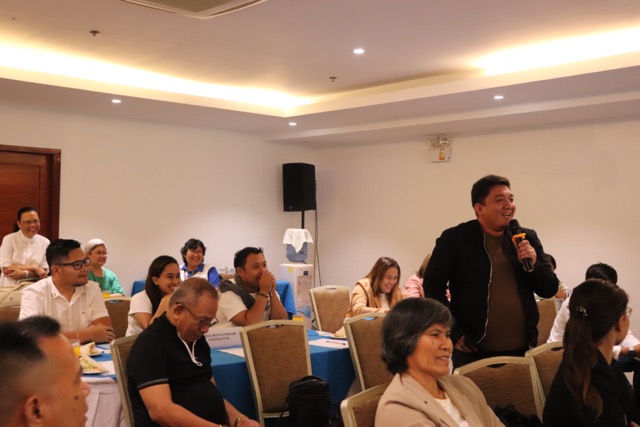
The activity concluded with a wholesome open forum, igniting ideas, commendations and more suggestions coming from various perspectives as their contributions in developing the CBCR tool. The two-day pilot testing of the CBCR tool was described by most of the participants as an eye-opener for them. Regardless of the category they belong to – micro, small, medium, large and even billionaire cooperatives, risk is inevitable and it does not cater to any exemption.
Gracia Nenita B. Banogon, Senior Cooperatives Development Specialist / Head of the Cooperative Research Information and Training Section (CRITS) of CDA Region VII was the lead facilitator of the activity, with Carlo Jay A. Tronco and Analyn T. Conocono, both Cooperatives Development Specialist II, as the resource speakers/facilitators. Ms. Caren Jane Alas of the General Services Section (GSS) and Mr. Raymond Glodove of the Information Communication and Technology Section (ICTS) provided the technical support.
CDA Region VII has just ended March with a mark, reminding everyone of the old adage that goes, “If you fail to prepare, you are preparing to fail”.// ATC